

Degrees & Professional Development
The School of Extended and International Education is dedicated to providing a wide range of academic credit and degree programs tailored to meet the diverse needs of our students. We take great satisfaction in crafting educational opportunities that promote both career development and personal enrichment. Our courses are conveniently scheduled on weekends, in the evenings, and online to accommodate various lifestyles and preferences.
Summer Session/Winter Intersession
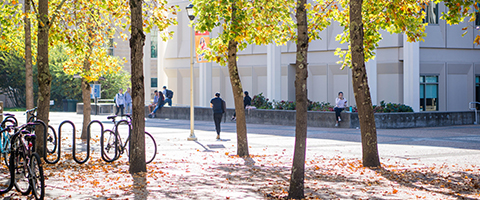
Summer Session offers SSU and visiting students the opportunity to take classes over the summer during three 4-week sessions and one 12-week session. Winter Intersession offers students the opportunity to take a full-credit class over the winter break. (also see Open University/Open Door)
Osher Lifelong Learning Institute
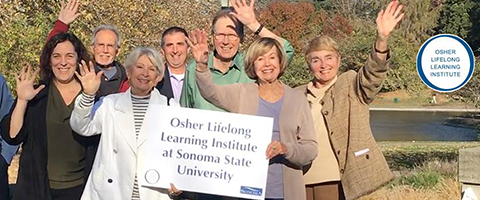
OLLI is a unique learning community for adults age 50 years old or better. We offer the very best continuing education with no tests and no grades. Distinguished SSU faculty and other Bay Area educators enjoy sharing their expertise with OLLI students.
International Programs
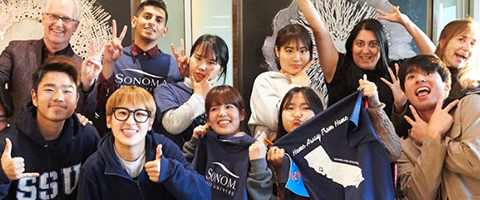
We have friendly, knowledgeable staff who serve our international student population. SSU offers a wealth of programs designed for international students to enjoy exploring and studying in beautiful Northern California.

Online Learning Center
In partnership with trusted online educational providers, we offer affordable, self-paced online programs that meet the needs of today's working professional. If you are looking to expand your skill set for an in-demand career, our Online Learning Center will accommodate your busy schedule.
Excel for Youth
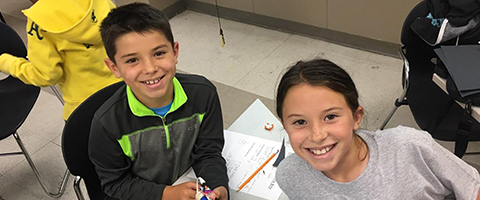
The EXCEL for Youth Program offers students entering grades 3-7 a unique opportunity for academic enrichment in accelerated classes that focus on science, technology and the arts.
Contract Credit/Extension Courses
Contract credit is awarded for contracted professional development, as for teacher training when the CSU does not provide the actual instruction but does administer the awarding of credit. Extension courses are one way SSU offers university level academic credit resources to the wider community. The courses offer either academic credits, CEUs, or both.
Open University/Open Door
Open University and Open Door offer the opportunity for anyone to enroll in a course without being admitted to the CSU. You can take courses for personal enrichment or start your college career. Open University and Open Door give you the flexibility to take courses on a space-available basis and earn college credit.